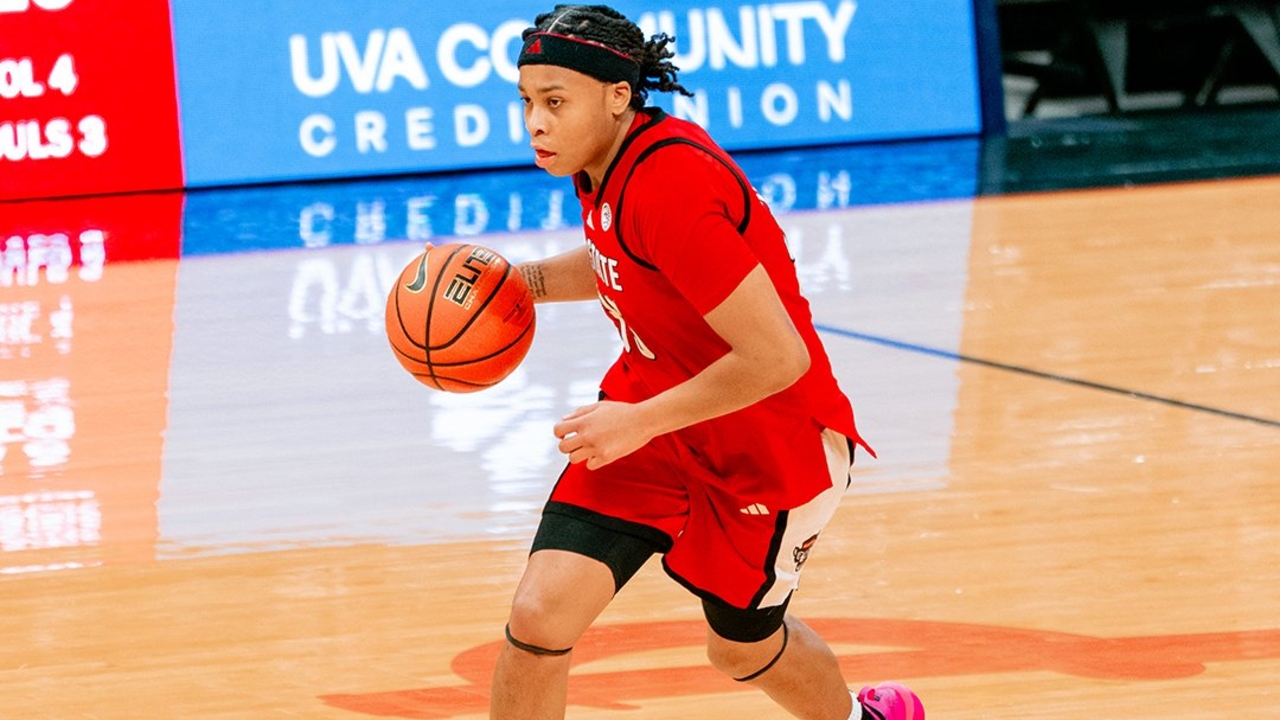
It’s been an eventful offseason for Wes Moore and NC State Women’s Basketball. The Wolfpack retained two cornerstone players in Zoe Brooks and Khamil Pierre, while losing key contributors Zam Jones and Tilda Trygger. As it stands, the roster sits at nine players—and it’s hard to believe Moore is finished shaping it.
The bigger question is: what, exactly, is he looking to add?
After the season-ending loss, Moore emphasized a desire to get back to “what NC State does.” Historically, his best teams are defined by toughness, depth, shooting, and lineup flexibility. So how does this current roster measure up?
Zoe Brooks: The Engine
Everything starts with Zoe Brooks.
Now entering her third year as a starter, Brooks has been the catalyst for multiple deep postseason runs. Her absence in the NCAA Tournament made that abundantly clear—without her, the offense unraveled into turnovers and disjointed possessions.
Brooks averages 13 points, 4 rebounds, and 4 assists while shooting 44% from the field. She’s a dynamic offensive player with All-Conference potential and remains a capable defender, posting a 5.1 defensive box plus/minus. While her defensive metrics have dipped slightly as her offensive role has grown, she’s still active, disruptive, and disciplined.
The biggest limitation? Perimeter shooting.
Brooks is a career 23% three-point shooter, which makes surrounding her with floor spacers essential. She thrives in isolation, in the pick-and-roll, and in transition but her effectiveness is amplified when defenses can’t collapse the lane. Improved spacing would also help her efficiency at the rim, which dipped slightly last season.
Simply put: to maximize Brooks, NC State must add shooting.
Evaluating the Guard Rotation
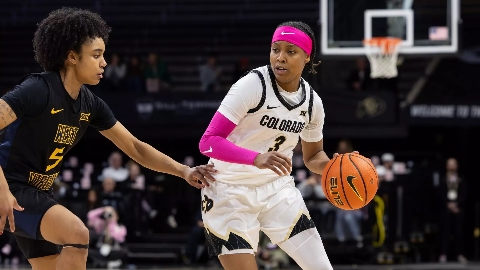
The guard rotation got a major boost with Desiree Wooten committed over the weekend. Shooting was a major question mark for the Wolfpack. Wooten brings the ability to knock down the 3-pointer.
At Colorado, she excelled when asked to be a floor spacer and was elite when able to shoot unguarded jumpers. She has the ability to create shots for herself or for others, but her efficiency took a hit when she did. She shot below 40% from 2 last season. Wooten averaged 13 points per game last season and should be able to replicate that number at State. She will be an excellent fit alongside Zoe Brooks, providing secondary ball-handling when needed.
A true combo guard, Wooten is a solid defender who can generate steals, but isn’t quite a lock down 1:1 defender.
Destiny Lunan showed flashes as a freshman, averaging 4.5 points in 16.5 minutes per game. At 5’10”, she has the athleticism and skill to become a real contributor, and her defensive metrics (3.7 DBPM) are encouraging. Still, she struggled finishing inside (38% from two) and posted a negative offensive impact. Her 34% three-point shooting is promising, but consistency will be key. There's a clear upside, but relying on a major leap may be risky.
Qadence Samuels, a full-time starter last season, brings defensive versatility and toughness. She averaged 6.4 points and 4.8 rebounds in 26 minutes per game, but her offensive limitations are evident. She shot 28% from three and struggled as a secondary ball handler most notably against Michigan, where NC State had trouble handling pressure.
The fit alongside Brooks is going to be a major factor in who earns minutes. Lineups featuring Brooks, Lunan, and Samuels risk lacking the shooting necessary to space the floor effectively. That’s why Wooten is such a big get. This team lacks shooting and Wooten will help fill that gap.
The last player who could make the rotation is Adelaide Jernigan. She remains something of an unknown. Limited by health, she appeared in just 15 games and averaged six minutes. However, the staff reportedly values her shooting potential and competitiveness. A 40% three-point shooter in high school, she could develop into a key floor spacer, but that projection remains unproven at the college level.
What’s Left?
As currently constructed, NC State could probably use one more wing. Preferably, one who can shoot. If I could wave a magic wand, I would conjure up one more wing who can space the floor. While she didn’t play a ton, having Devon Quigley allowed for Wes to account for injury and foul trouble. If the budget is there, getting a wing could take NC State from good to great.
In a best-case scenario, NC State adds a starting-caliber wing and shifts Samuels and Lunan into complementary bench roles.
The Frontcourt: Built Around Pierre
The biggest offseason win was retaining Khamil Pierre.
An Honorable Mention All-American, Pierre is one of the most productive players in the country, averaging 17 points and 12 rebounds. Her advanced metrics (9.1 BPM) closely mirror those of Trygger, despite their very different styles.
Pierre dominates inside, both on the block and off the dribble. However, unlike Trygger, she doesn’t stretch the floor. She’s an 18% career three-point shooter with minimal attempts. That reality only heightens the need for perimeter shooting around her.
Defensively, Pierre impacts the game primarily through rebounding. She’s solid, but not a rim-protecting anchor meaning NC State could still benefit from additional size and defensive presence in the post.
Maddie Cox returns as a high-effort, versatile depth piece. She averaged 3 points and 3 rebounds in 15 minutes and shot a respectable 37% from three. While she provides flexibility at the 4 and 5, she’s best suited as a third big rather than a primary contributor.
New Faces
Khady Leye adds experience and production to the frontcourt, averaging 9.7 points and 6.2 rebounds across stops at Auburn and Towson. At 6’2”, she likely starts alongside Pierre, for now.
The concern is fit. Like Pierre, Leye doesn’t space the floor (18% career from three), which could create spacing issues. Ideally, she slots in as a high-level rotational big rather than a full-time starter.
Freshman Kamora Pruitt may be the key to unlocking the frontcourt. A top-30 recruit, she brings shooting, rebounding, and guard-like skills at 6’2”. She projects as a natural fit in Moore’s system. A stretch-four who can defend, rebound, and space the floor. There’s a real pathway for her to earn immediate, significant minutes, potentially even a starting role.
Annsley Trivette, another incoming forward, adds versatility and production after averaging 20 points, 10 rebounds, and 3 blocks as a senior. While Moore typically leans on experience, Trivette’s skill set gives her a chance to carve out a role, especially if she proves she can stretch the floor.
Not Quite Finished
Roster construction isn’t done.
Given budget limitations, NC State is unlikely to land a marquee transfer. More realistic targets include mid-major standouts, international prospects, or experienced rotational players.Heading into the weekend, I would have said the number one priority was shooting. Now, I still think it might be shooting, but I also believe there is a need for a defensive minded, post presence with some length.
The remaining needs are are clear:
- Shooting to space the floor
- Size and defensive presence in the frontcourt
Expect Moore to allocate remaining resources toward a guard who can immediately contribute as a shooter and secondary handler.
Final Questions
This team’s ceiling will be determined by how a few key questions are answered:
- Is there enough shooting to space the floor for Brooks and Pierre?
- Will Lunan or Jernigan take a significant step forward?
- Can Pruitt emerge as a legitimate option for production?
- Will Samuels improve as a perimeter shooter?
- Can the staff find another frontcourt piece to add size and defense?
- Is Leye the right fit next to Pierre?
If most of those answers are yes, NC State has a path back to championship contention behind Brooks and Pierre.
If not, the margin for error shrinks, and the burden on those two stars grows significantly.